
For decades, military aerospace engineers had been studying stealth technology, a practice that dates back to the Second World War when night fighters were painted black to disguise them in the night sky. Throughout the middle of the 20th century, engineers extensively evaluated the potential of developing an aircraft that could completely avoid enemy detection while performing targeted strikes against adversary positions.
Eventually, advances in theoretical and experimental physics began to incentivize military engineers to begin exploring the development of a new stealth twin-engine attack aircraft that could fully avoid radar detection. Thus, the United States Department of Defense commissioned the development of an ultra-secret stealth attack aircraft, one that promised to be the future of American military aviation.
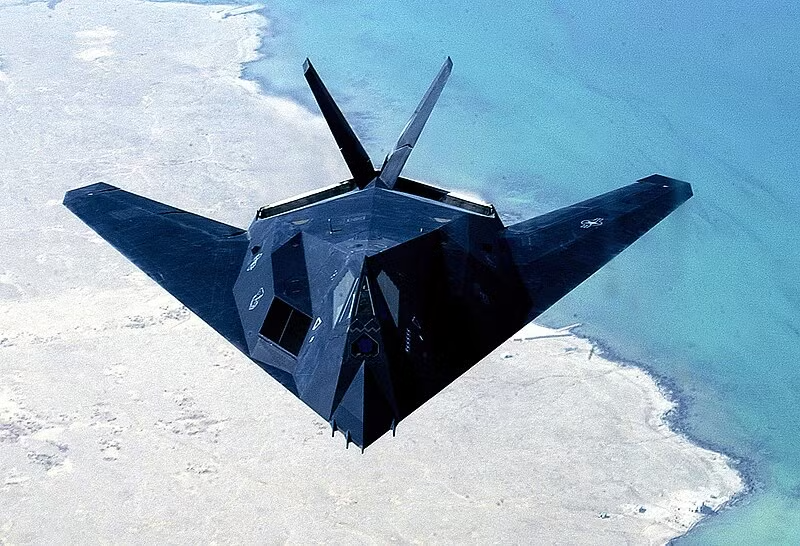
Thus, the F-117 Nighthawk program was born. This aircraft was built by the Lockheed corporation’s secret Skunk Works division and was a single-seat subsonic twin-engine attack aircraft that would be operated by the United States Air Force (USAF) for decades. The aircraft took to the skies for the first time in October 1983 and immediately made an impact on the global stage.
The aircraft’s primary entry into military service was during the First Gulf War
While the second half of the 1980s was certainly packed with global conflict, the F-117s first entry into global conflict was during the first US invasion of Iraq, following Saddam Hussein’s brutal invasion of Kuwait. This conflict was an interesting echo of the Cold War from a military perspective for multiple key reasons.
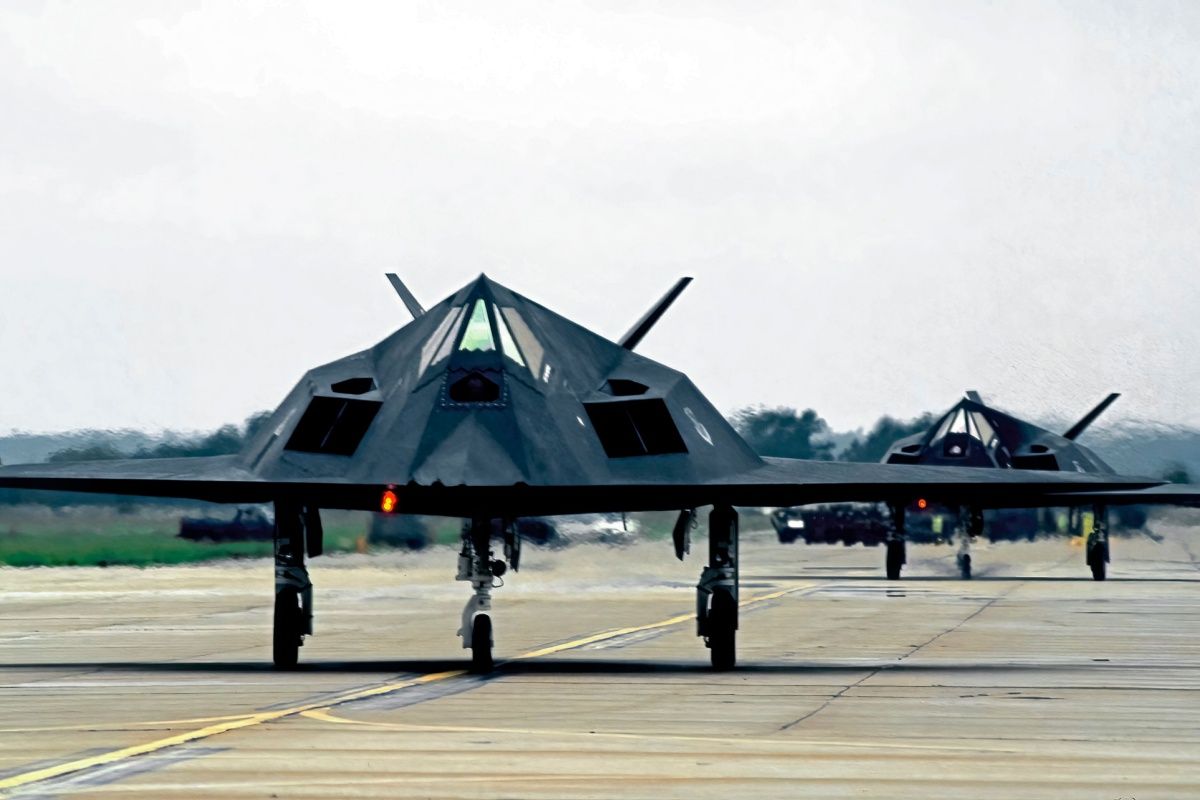
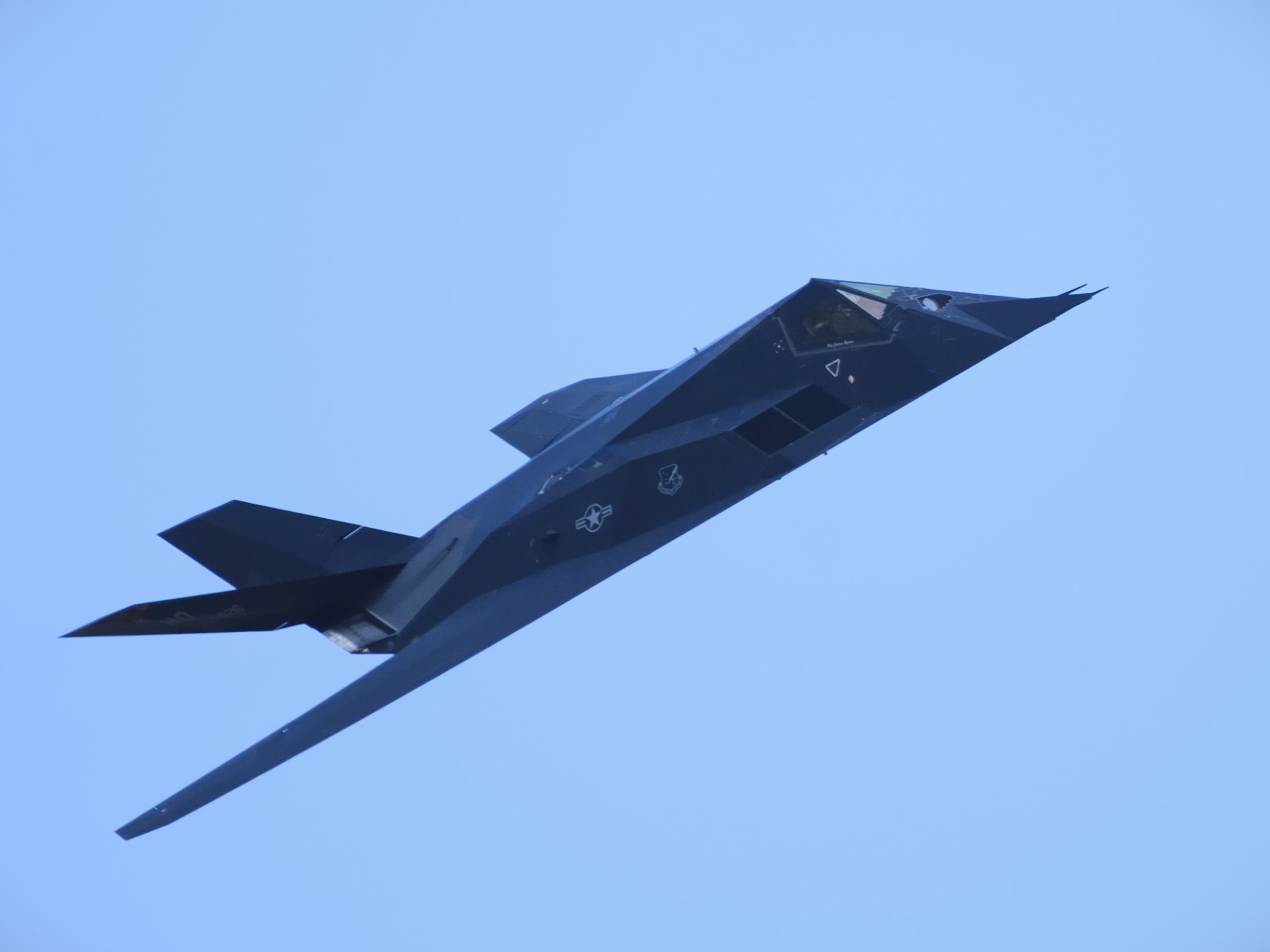
For starters, the majority of Saddam Hussein’s military inventory, including his fighter jets and surface-to-air missiles were Soviet in origin, setting the world up for one of the first head-to-head encounters between US and Soviet fighter technology since the Vietnam War. One notable example of this Soviet-Western dichotomy can be observed in the Samurra Air Battle, an engagement in which F-15 Eagles and MiG-25 Foxbats squared off over Iraq’s deserts.
Furthermore, Soviet-designed military radar would also be on display, testing the capabilities of the F-117 Nighthawk. As a result, the aircraft would face its biggest challenge yet during the war, one which would help set the stage for the development of multiple stealth aircraft programs in the years to follow.
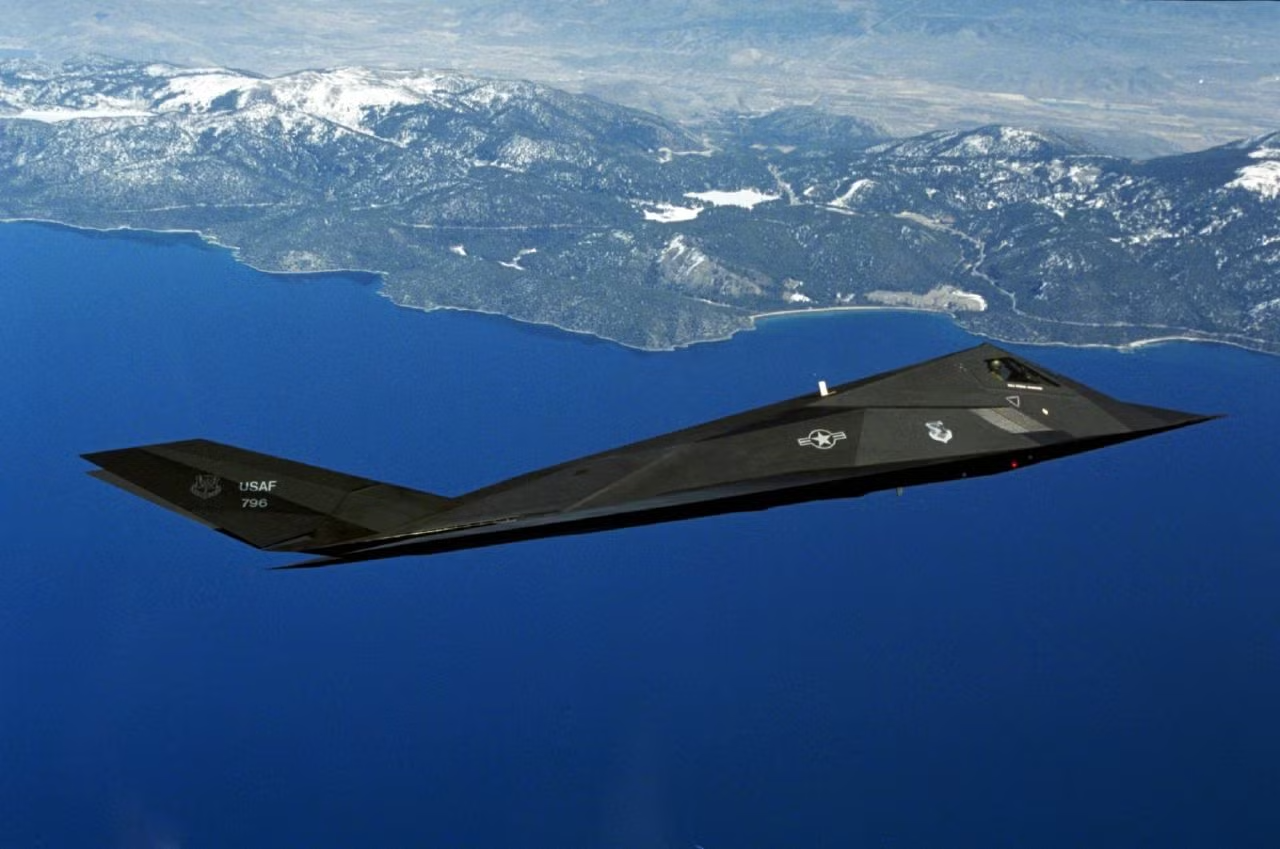
Photo: Lockheed Martin
The F-117 Nighthawk was effective at eliminating enemy targets while remaining undetected during the war
The 37th Tactical Fighter Wing (TFW), the Air Force’s only active stealth fighter Wing at the time of the Gulf War, had relocated to the Tonopah Test Range in Nevada on October 5th, 1989, according to a research study commissioned by the Department of Defense. Shortly afterward, the unit proved its battle capabilities by performing stealth bombings in Panama during the US’s Operation Just Cause in December 1989.
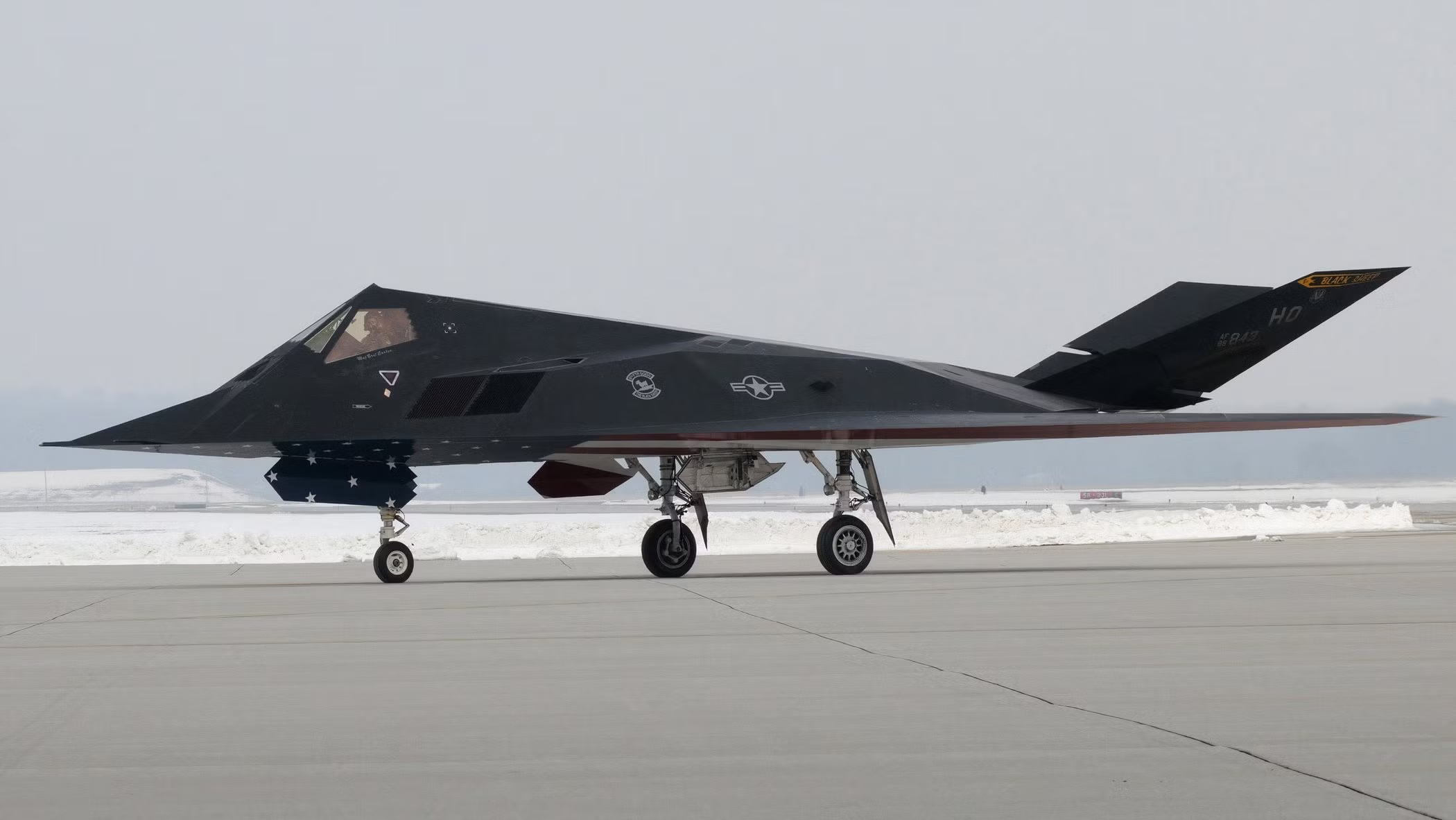
Photo: United States Air Force
While these bombing raids had proven effective at supporting U.S. paratrooper landings during the war, the F-117’s stealth capabilities remained mostly untested, with Panama’s radar defenses proving weak and outdated. In August 1990, the unit was deployed to Saudi Arabia as part of Operation Desert Shield, an intervention that would soon evolve into Operation Desert Storm and require the F-117 Nighthawk to be fully tested against Iraqi air defenses.
During January and February 1991, the F-117 Nighthawks would execute over 1,000 sorties and deliver more than 2,000 tons of munitions with impressive precision. The organization managed to deliver 1,600 direct hits on over 400 critical Iraqi targets throughout the conflict, without losing a single aircraft in the process. These targets primarily included military defense infrastructure and command-and-control facilities, which resulted in severely weakened Iraqi communications networks.
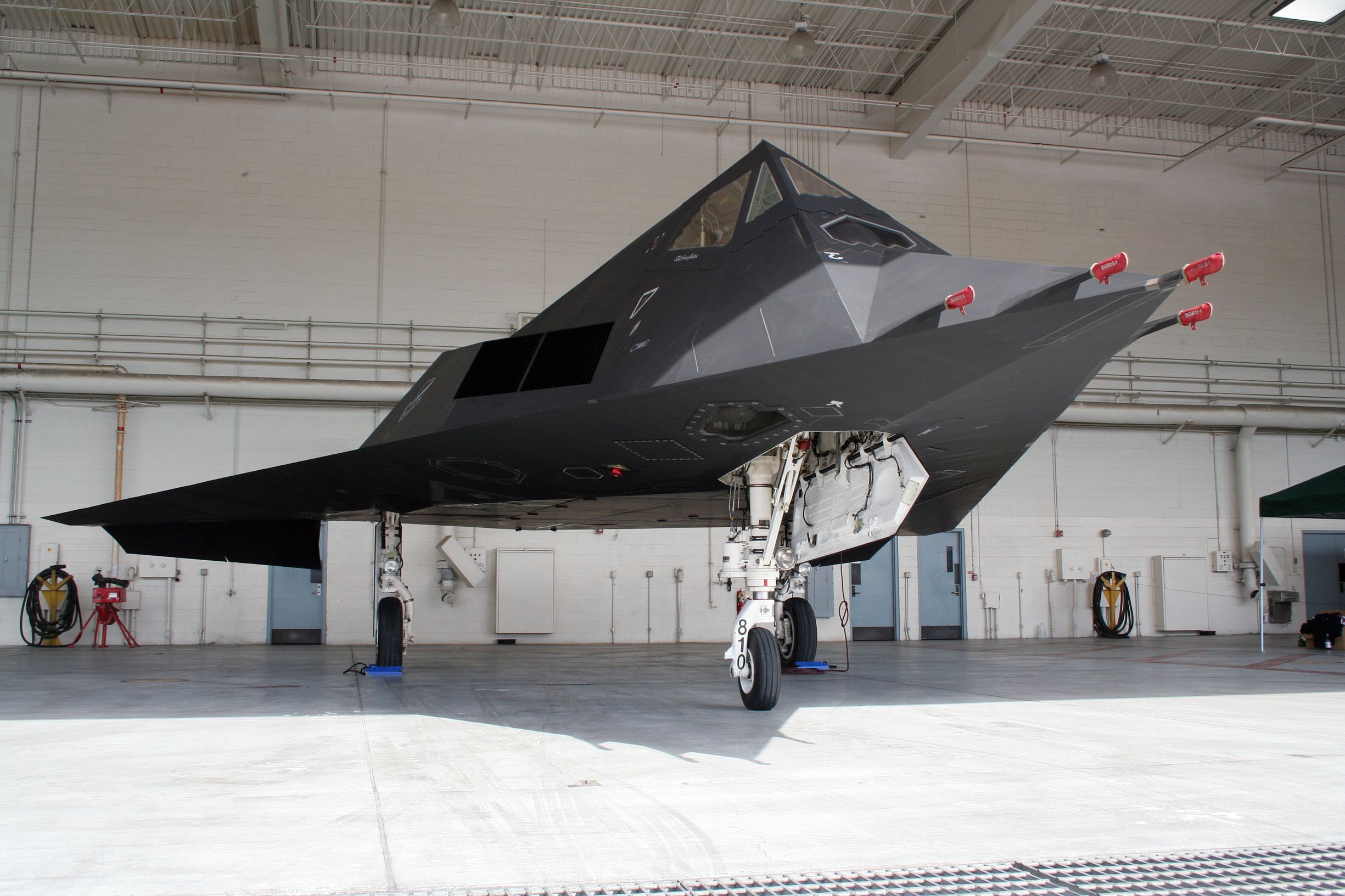
Photo: VanderWolf Images | Shutterstock
Despite consisting of less than 3% of the Air Force’s assets in the conflict, the F-117 Nighthawks of the 37th Tactical Fighter Wing hit over 40% of Iraqi targets during the first three days of the conflict alone. Later in the conflict, F-117 pilots began to deliver devastating blows to nuclear research infrastructure. Global leaders extensively praised the F-117’s offensive capabilities in the conflict, and the aircraft finished the war with an impressive 75% hit rate on targets.
The F-117 would later take part in several other conflicts
The F-117’s extensive success during the coalition invasion of Iraq would make the plane a mainstay of the United States Air Force’s strategic bombing efforts for years to come. The plane saw service in all the following conflicts:
- Operation Just Cause (NATO intervention in Yugoslavia)
- Operation Enduring Freedom (U.S. invasion of Afghanistan)
- Operation Iraqi Freedom
During the NATO bombing of Yugoslavia, an F-117 Nighthawk was shot down by enemy forces using surface-to-air missiles, marking the first time a stealth aircraft had ever been shot down. While the pilot was able to eject and was ultimately rescued, the F-117’s stealth capabilities were severely called into question, according to Defense Media Network.
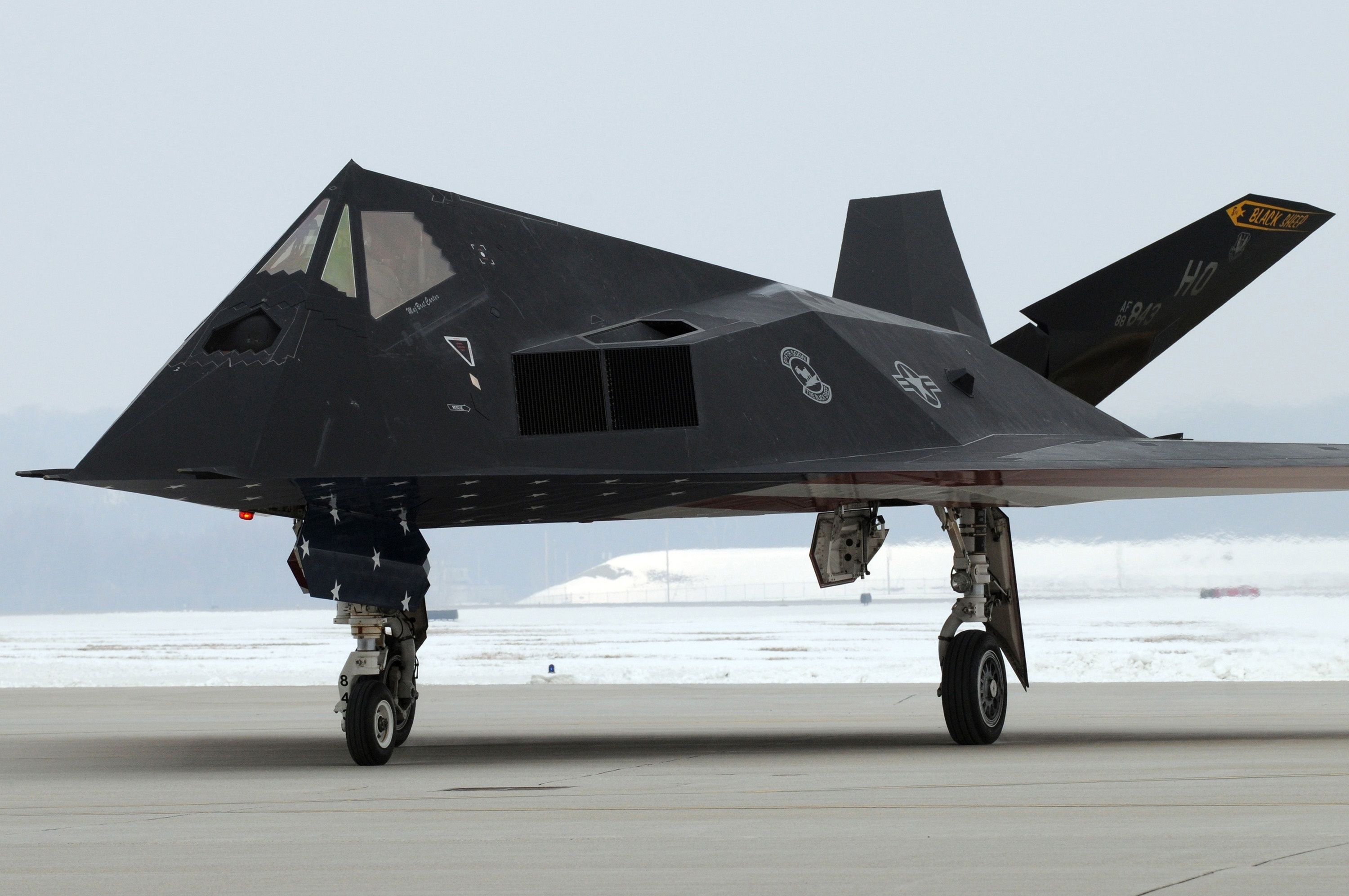
Photo: Everett Collection | Shutterstock
The Yugoslav air defense technology was considered quite outdated, which made the shootdown even more alarming. By the time this incident took place on March 27, 1999, the Air Force had already started exploring new stealth aircraft development programs intended to succeed the F-117, signaling that its time was limited.
So what is the bottom line?
At the end of the day, the F-117 Nighthawk’s success in the Gulf War demonstrated the viability of stealth aircraft in modern warfare, conducting extensive bombing missions against strategic targets while avoiding detection. Despite having its reputation questioned after the 1999 shootdown, the F-117 Nighthawk went down in the history books as one of the most technologically advanced aircraft of its time. The plane’s technology would later be improved upon by later stealth aircraft, such as the