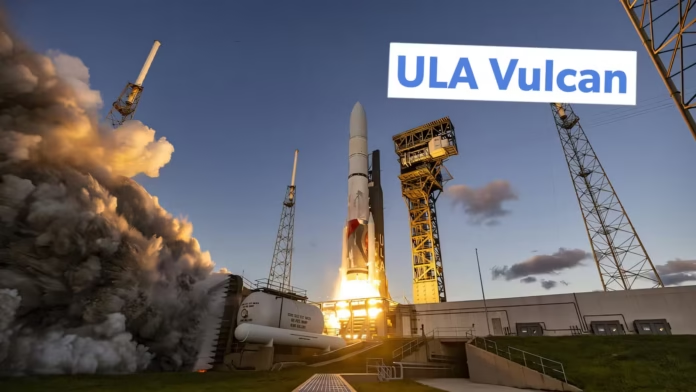
United Launch Alliance (ULA) has just successfully completed its second successful launch using its new Vulcan Centaur heavy-lift launch vehicle. ULA is one of two major US companies contracted to launch Space Force and spy agency satellites into orbit. Meanwhile, the Space Force has recently added another $1.8 billion to fund ULA and SpaceX launches through 2027 .
Established companies like United Launch Alliance, Boeing, and Airbus are struggling to adapt and remain competitive amid new entrances like SpaceX overturning the industry (as Boeing is finding out with its Starliner being outclassed by SpaceX’s Dragon 2 ). Here are five facts about the ULA Vulcan built for US spy satellites.
1
Competes with Falcon 9
It has been designed primarily for the NSSL program
| Number of Falcon 9 launches: | Around 400 |
|---|---|
| Predecessor: | Atlas V |
| Engines: | Blue Origin’s BE-4 engines |
United Launch Alliance started developing the Vulcan Centaur heavy-lift launch vehicle in 2014 to compete with SpaceX’s Falcon 9 and to comply with a Federal requirement to stop using Russia’s RD-180 engine that powered its older Atlas V rocket. SpaceX doesn’t have a monopoly on space launches (or at least not a complete monopoly just yet).
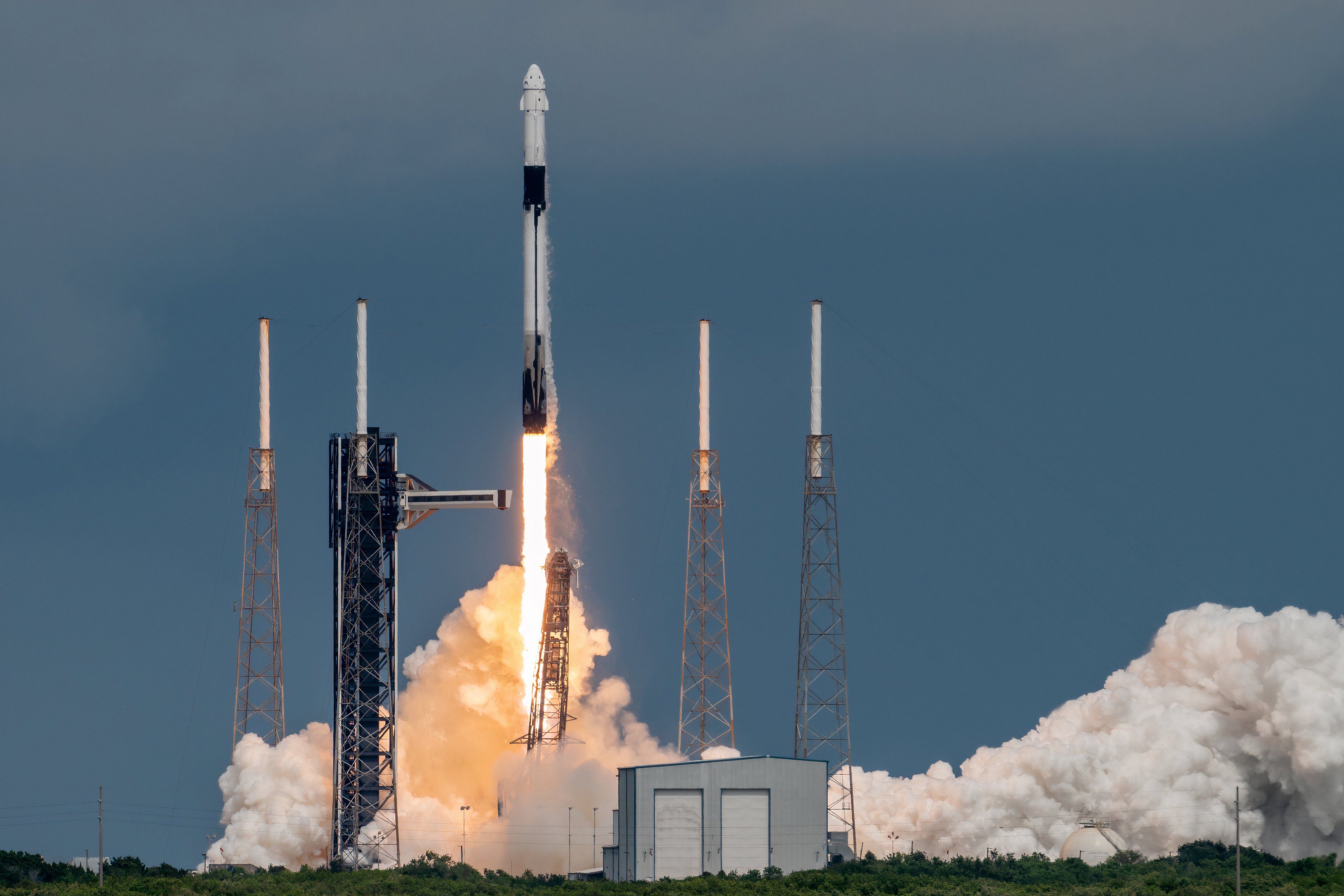
Photo: USSF
The Vulcan has been designed mostly for the National Security Space Launch (NSSL) program, which is responsible for launching military and intelligence agency satellites into orbit. Even if SpaceX could fulfill the same mission cheaply, the US government must ensure competition remains in the space launch sector and so doesn’t want to become overly dependent on SpaceX.
2
Plans to reuse rocket
Vulcan’s BE-4 engines may be reused
| Vulcan cost per launch: | Starting from $110 million |
|---|---|
| Falcon 9 cost per launch: | Approx. $62 million |
| First Vulcan launch: | 8 January 2024 |
The enormous success of SpaceX in reusing its rocket boosters leaves United Launch Alliance with little choice but to find a way to make the Vulcan reusable. Vulcan was not designed to be reused, but if it is to be competitive, it needs to be. The company is working on future upgrades to cut production costs, including a plan to recover and reuse Vulcan’s BE-4 engines (these are around 65% of the boost cost).
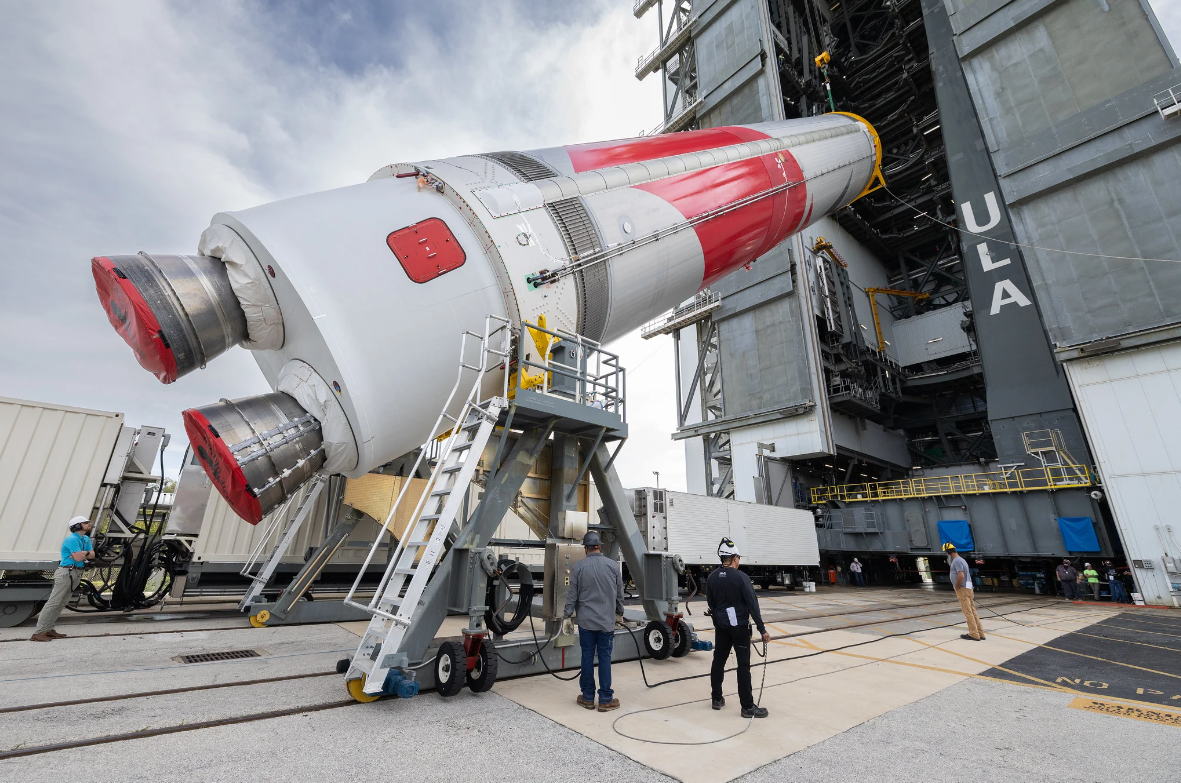
Photo: ULA
The Vulcan’s BE-4 engines would descend using a heat shield and parachutes, and then a helicopter would catch them out of the air. According to Reuters, ULA plans Vulcan upgrades to begin in 2025 and “occur every two to three years after that.” Vulcan needs to find ways to become more competitive. While at around $110 million, the starting price for a Vulcan launch is half that of the Atlas V predecessor, it is still much more than SpaceX’s reusable Falcon 9 (at around $62 million per launch).
3
Blue Origin’s BE-4 engines
Two BE-4 engines power the first stage
| Thrust: | 550,000 lbf |
|---|---|
| Applications: | New Glenn’s reusable booster, First stage Vulcan V |
| Burn time: | 299 seconds (Vulcan) |
After ULA had to find a replacement for Russian rockets, it turned to Blue Origin and its powerful BE-4 engines, which the company claims are the “most powerful liquefied natural gas (LNG)-fuel oxygen-rich staged combustion engine ever flown.” They were initially planned exclusively for Blue Origin’s New Glenn launch vehicle (its first orbital rocket).
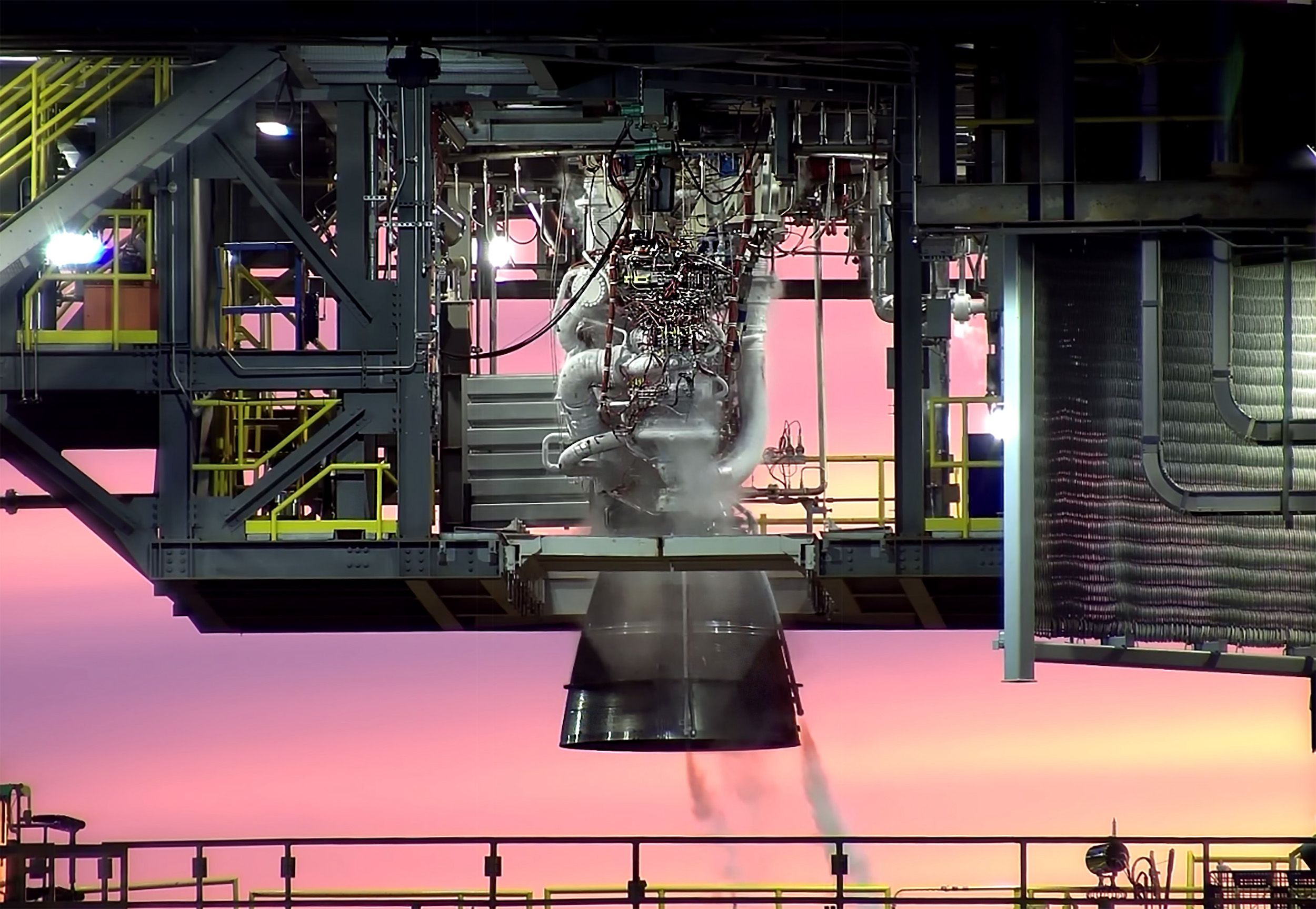
Photo: Blue Origin
Two BE-4 engines power the Vulcan rocket (and seven power Blue Origin’s New Glenn). According to Reuters, ULA plans to increase production to 25 booster rockets annually by late 2025. Blue Origin is at the forefront of emerging space tourism.
4
Plans to reuse upper stage
Vulcan upper stage may perform more missions in space
| Number of launched: | 2 (January & October 2024) |
|---|---|
| Weight class: | heavy-lift |
| Payload to GTO: | 15,000 lbs |
Just reusing the rocket engines may not be enough to remain competitive. So, according to Defense News, ULA is planning to reuse the upper stage, but not like SpaceX returning them to the earth, but by leaving them in space. The idea is to keep the upper stage in space where they “might tug satellites or counter Chinese threats.”
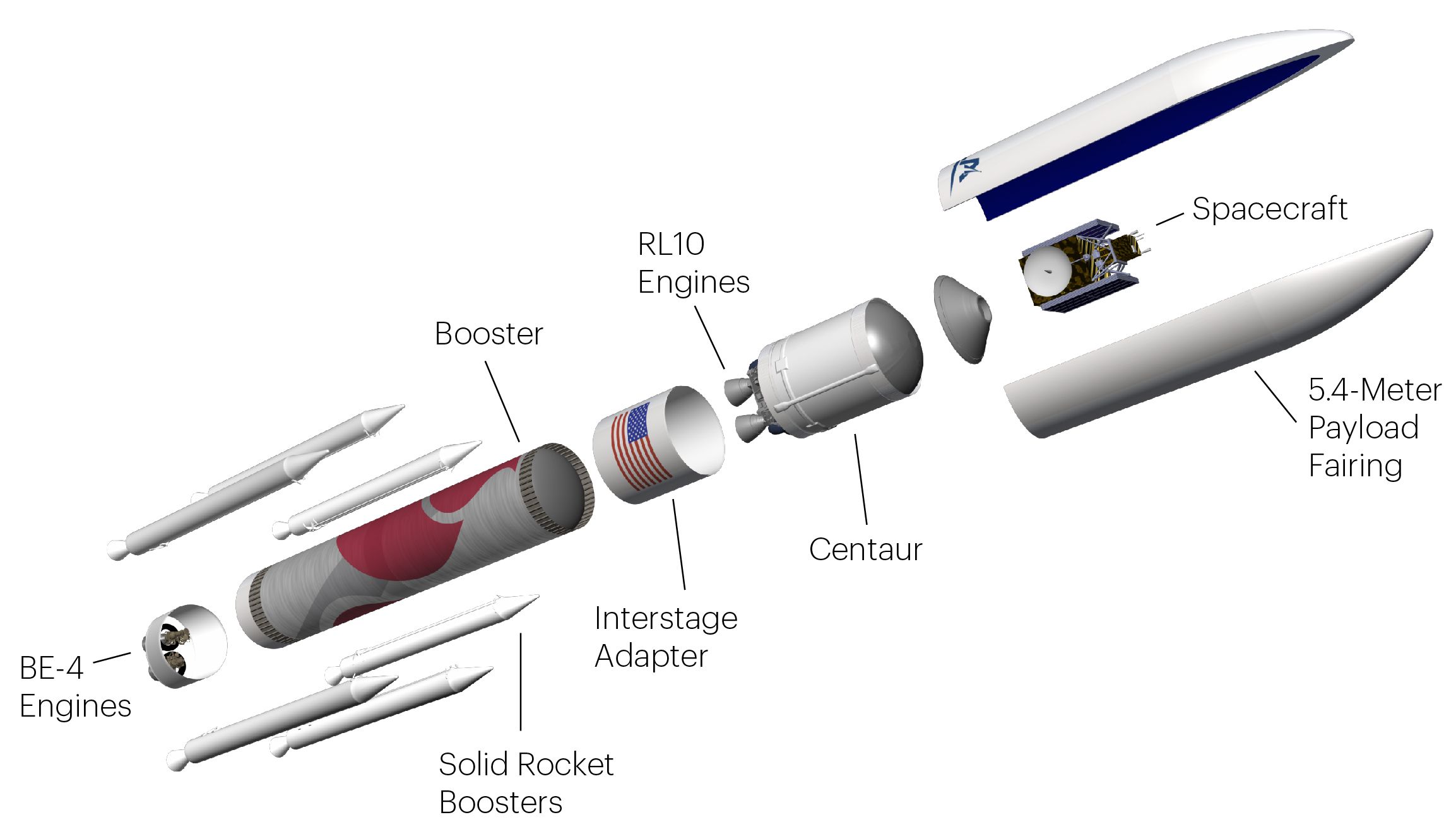
Photo: ULC
Vulcan Centaur rockets could be loaded with more propellant than their initial launch mission requires so that they can stay in orbit and carry out other tasks for weeks or months. Defense News quoted ULA CEO Tory Bruno as saying that he envisions “a whole fleet of them up there, building up over time as I’m flying, flying, flying in the air, lasting longer and longer and longer, available to do missions to help us cope with this [Chinese] threat.”
5
Space Force’s satellites
ULA will launch 60% of the US national security missions until 2027
| Space Force founded: | 20 December 2019 |
|---|---|
| Budget: | Approx. $30 billion |
| Share of national security missions: | 60% (SpaceX 40%) |
ULA says its Centaur V is able to perform the “most complex orbital insertions within the most challenging and clandestine orbits.” Reuters reports “The Pentagon in 2020 picked ULA to launch 60% of its national security missions through 2027 and SpaceX to launch the rest.”
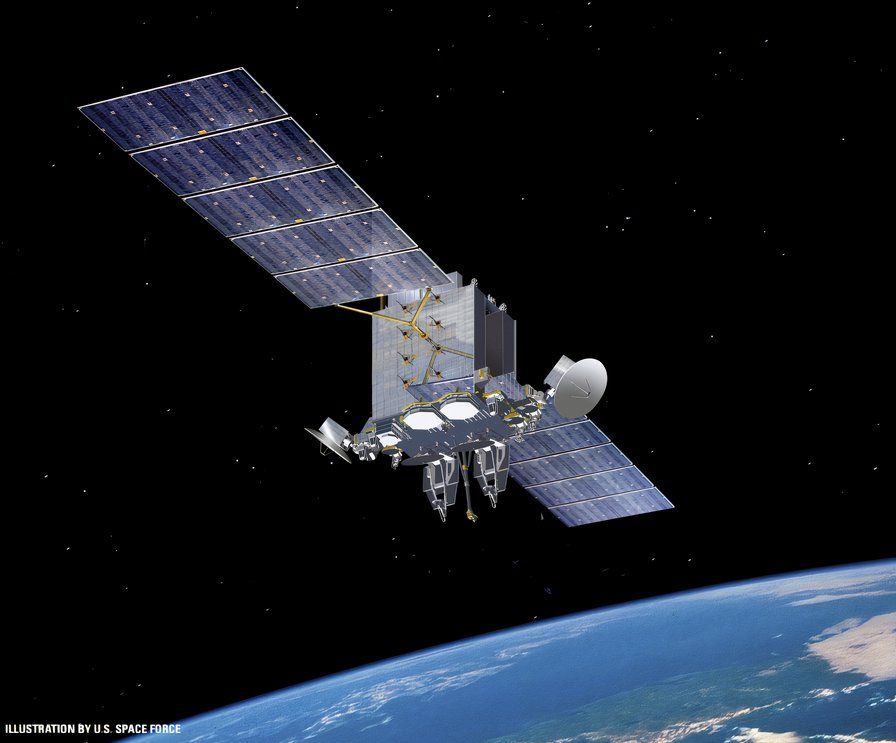
Photo: US Space Force
Vulcan is set to launch satellites like the Space Force-operated Defense Support Program satellites into geosynchronous orbits 22,300 miles away. These are a key part of North America’